Collector guide · queued October 2026
How to Inspect Pinball Playfield Wear Before Buying
Learn where wear hides on a used pinball playfield and how to separate cleanable dirt from permanent art or clearcoat damage.
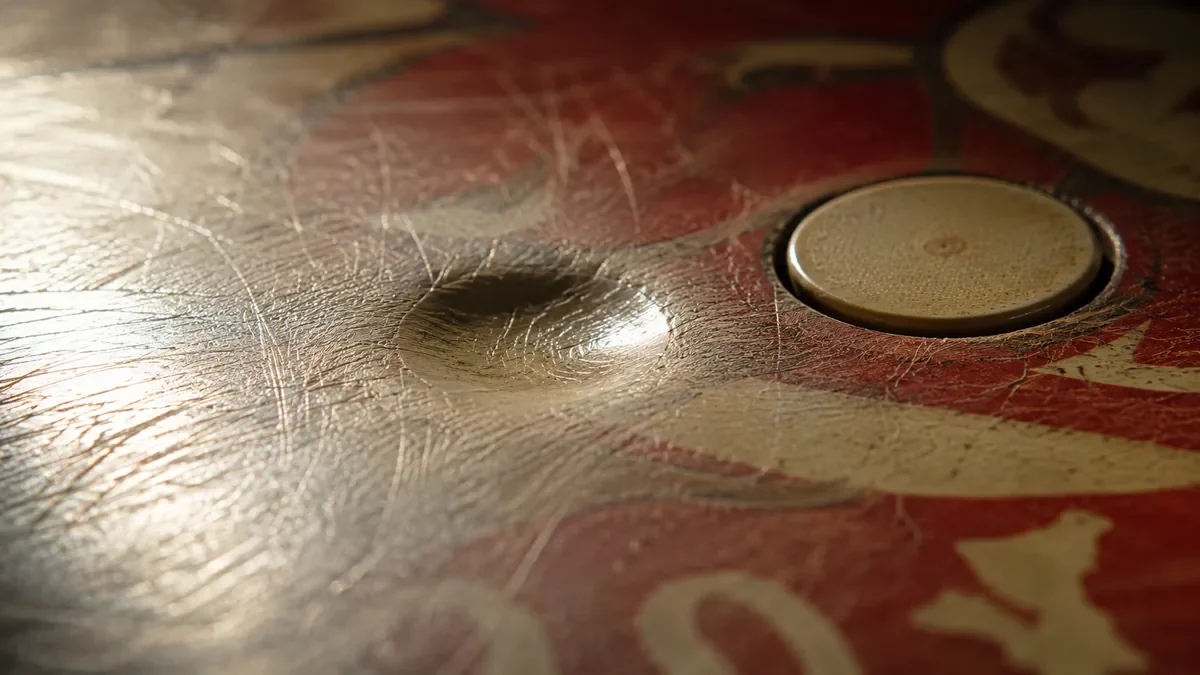
Use angled light
Straight-on photos can hide inserts, dimples and clearcoat wear. Ask for high-resolution images with light reflecting across the surface from several angles.
Zoom around ball paths, shooter lanes, saucers, pop bumpers, inserts and high-traffic turns.
Dirt is not the same as wear
Gray ball trails and dust may clean up; missing artwork, exposed wood and lifting inserts will not. Do not let a seller describe every dark area as “just dirty” without close photos.
Likewise, a glossy playfield may have been polished or clearcoated. Ask what treatment was performed and when.
Inspect plastics and ramps too
Cracked ramps, chipped plastics and broken mounting points can be more annoying to source than common rubbers. Photograph the complete upper playfield, not just the central art.
Check that unique toys and assemblies are present.
Look for ball damage
Pitted or rusty balls can accelerate playfield wear. If the current balls are visibly damaged, inspect high-speed impact areas more closely.
Price the condition you can see
A rare title may justify restoration to the right collector, but playfield condition should be reflected explicitly in the purchase decision rather than treated as a future surprise.