Collector guide · queued October 2026
Pinball Cabinet Fade, Decals and Side Art: Condition Guide
Evaluate pinball cabinet art, sun fade, decal shrinkage and restoration work before you buy.
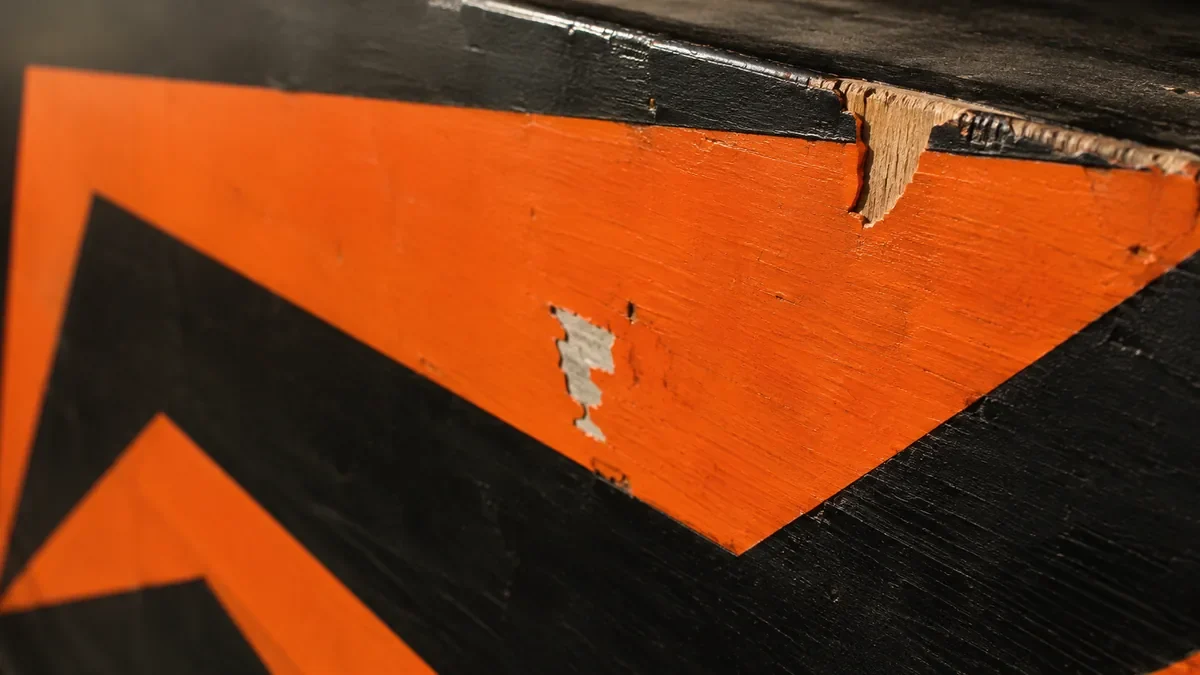
Sunlight leaves patterns
Red and warm pigments often reveal fade clearly, but the most useful clue is comparison between exposed sides and protected areas around legs, trim or the backbox.
Ask for both cabinet sides photographed in neutral light. Saturated phone filters can hide uneven fading.
Decal problems are different from paint wear
Later decal cabinets can show shrinkage, bubbling, lifting edges and scratches. Older painted cabinets may show chips, touch-ups and worn corners.
Identify the original finish before deciding what a repair should look like.
Restoration can be excellent or destructive
Replacement decals can transform a cabinet when installed carefully over properly prepared surfaces. Poor application can trap dust, misalign art and remove originality without improving the result.
Ask for before-and-after photos when a seller advertises cabinet restoration.
Inspect structural condition
Art is secondary to a cabinet that is square, dry and solid. Look for swelling, water damage, loose joints and stripped leg bolt areas.
A visually faded but structurally excellent cabinet may be a better project than bright artwork on damaged wood.
Decide your collector goal
If originality matters, honest fade may be preferable to a full redecal. If the machine is primarily for a polished game room, quality reproduction art may be exactly what you want.