Collector guide · queued October 2026
Pinball Machine Maintenance Schedule for Home Owners
A practical maintenance rhythm for cleaning, inspection, rubbers, balls, flippers and cabinet checks without over-servicing the machine.
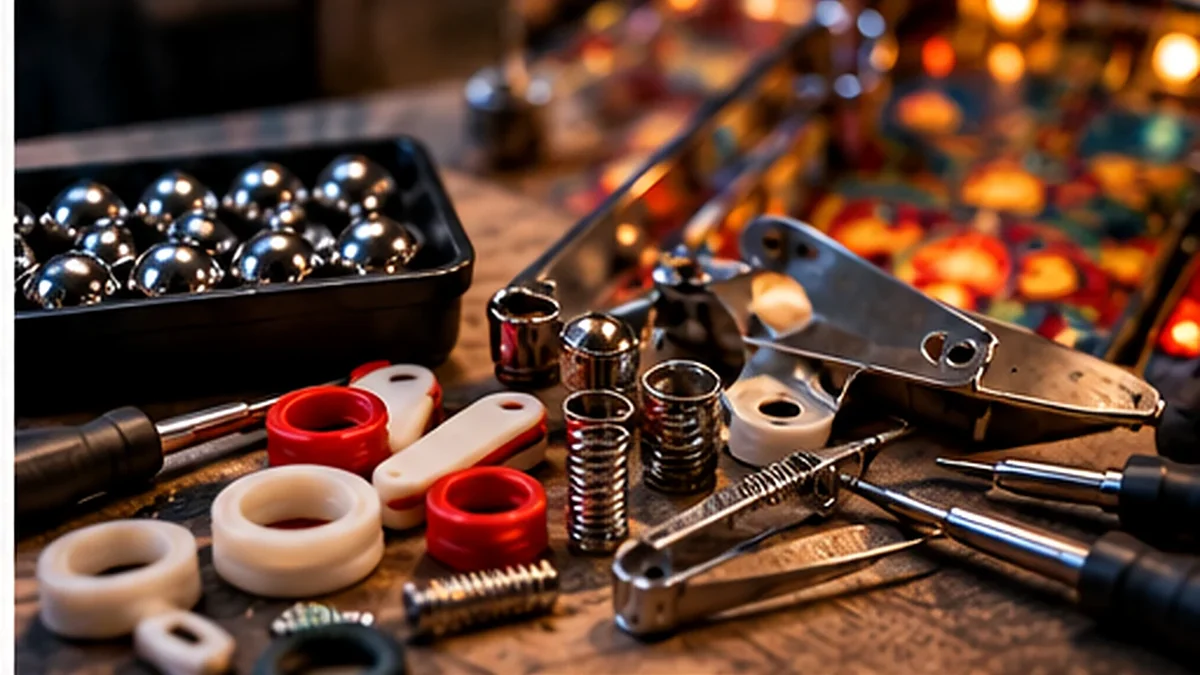
After every few sessions
Wipe obvious dust from the cabinet and look for new loose hardware, stuck balls or unusual sounds. You do not need to strip the playfield constantly; frequent observation catches changes early.
Keep drinks away from the machine and protect the glass from objects that can scratch it.
Periodic playfield cleaning
Follow the manufacturer and product guidance appropriate to the playfield finish. Remove loose grit before wiping so you do not drag abrasive debris across the surface.
Clean balls matter because damaged or rusty balls can accelerate wear. Replace visibly pitted balls rather than polishing a badly damaged set indefinitely.
Rubbers and moving parts
Inspect rubbers for cracks, glazing and loss of tension. Check posts and screws for looseness while staying within the service procedures for the game.
Do not lubricate coils or plungers casually; many pinball mechanisms are designed to run dry, and the wrong lubricant attracts dirt or damages parts.
Flipper performance
Weak flippers can come from worn sleeves, links, bushings, contacts or electrical issues. Compare both sides and note whether weakness appears only after the game warms up.
A flipper rebuild kit can restore feel when wear parts are actually the cause, but diagnosis comes first.
Keep a service log
Record date, symptom, parts used and adjustments. A simple log prevents repeated diagnosis and adds value when you eventually sell the machine.