Collector guide · queued October 2026
Electromechanical vs Solid-State Pinball Machines
Compare electromechanical and solid-state pinball through scoring hardware, service style, sound, displays and collector experience.
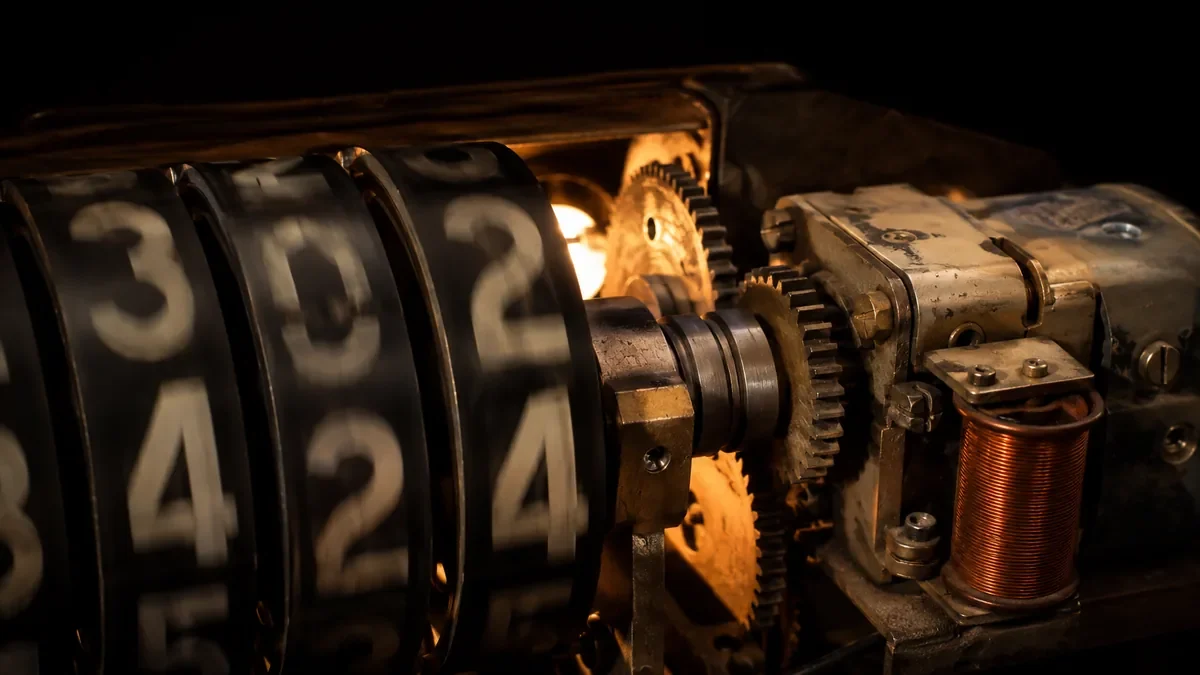
Two very different kinds of complexity
Electromechanical machines use relays, steppers, score reels and switches to create game logic. Solid-state machines move much of that logic onto circuit boards and electronic displays.
EM games can look mechanically intimidating, but their operation is visible and often traceable through schematics. Solid-state games reduce moving logic hardware while introducing board, connector and display dependencies.
The feel at home
EM games deliver bells, chimes, reel chatter and a tactile rhythm that is difficult to imitate. Early solid-state games keep much of the classic playfield feel while adding electronic scoring and more elaborate sound.
Your preference should include noise. Mechanical score reels and chimes can be charming in a game room and intrusive in a quiet apartment.
Service approach
EM diagnosis often follows switch matrices, relay logic and mechanical adjustment. Solid-state diagnosis begins with power, connectors, fuses, board condition and self-test information when available.
In either era, documentation and a clean, unmodified example are easier to own than a cabinet full of undocumented fixes.
Parts and restoration
Rubbers, coils and common mechanical pieces may remain available for both eras, while unique score-reel parts, displays, boards and plastics can be title-specific.
Before buying, search the exact game for manuals, schematics and reproduction parts rather than assuming age alone determines difficulty.
Which should you buy?
Choose EM for visible mechanical logic and vintage character; choose solid-state for electronic scoring, broader rule evolution and often easier self-diagnostics. Choose condition over category when two specific machines are in front of you.